
Why Skin Comfort Is Changing the Disposable Razor Industry in 2026
For decades, the razor industry focused primarily on one question:
How close can a razor shave?
In 2026, that question is changing.
Consumers are increasingly asking something different:
Can a razor provide a close shave without irritating my skin?
This shift is creating a major opportunity for Sensitive Skin Razors.
Recent industry research identifies skin sensitivity, irritation reduction, lubrication, moisturizing features, flexible heads and skin-comfort positioning as increasingly important factors in the shaving category. The market is gradually moving beyond simple hair removal toward a more skin-care-oriented shaving experience.
This development is particularly important for disposable razor manufacturers.
A disposable razor is no longer simply a low-cost grooming tool. Modern consumers increasingly expect comfort, reliable blade performance, ergonomic design and better skin protection.
For importers, wholesalers, distributors and private-label brands, this creates a new opportunity:
Sensitive Skin Razors are becoming an important product category rather than a niche feature.
What Are Sensitive Skin Razors?
Sensitive Skin Razors are shaving products designed with features intended to improve comfort and reduce common shaving problems such as:
- Razor burn
- Redness
- Skin discomfort
- Pulling and tugging
- Excessive friction
- Small shaving cuts
Depending on the product, these features can include:
- Lubricating strips
- Multiple precision blades
- Flexible razor heads
- Skin guards
- Ergonomic handles
- Moisturizing components
- Carefully aligned blades
The exact performance depends on the razor design, blade geometry, shaving technique and individual skin characteristics.
Therefore, a product marketed for sensitive skin should not simply rely on the words “sensitive skin” on the packaging.
The actual product design matters.
Why Are Sensitive Skin Razors Trending in 2026?
The rise of Sensitive Skin Razors is connected to a broader change in the personal-care industry.
Consumers increasingly view shaving as part of their overall skincare routine.
Instead of thinking:
“I need to remove hair.”
Many consumers now think:
“I need to remove hair while taking better care of my skin.”
This change is influencing product development, packaging, online search behavior and retail positioning.
Industry research published in 2026 specifically identifies skin comfort as a major area of opportunity in shaving and hair-removal products.
1.Consumers Are Paying More Attention to Skin Irritation
One of the biggest problems associated with shaving is irritation.
A razor passes directly over the skin, meaning that blade sharpness, blade alignment, pressure and shaving technique can all influence the shaving experience.
Consumers frequently search for solutions to problems such as:
- Razor burn
- Red bumps
- Sensitive skin
- Dryness after shaving
- Ingrown hairs
- Discomfort after shaving
This is why searches and product categories related to sensitive-skin shaving are becoming increasingly important.
For razor manufacturers, this creates a clear product-development opportunity.
Instead of competing only on:
“How many blades does the razor have?”
manufacturers can increasingly compete on:
“How comfortable is the shaving experience?”
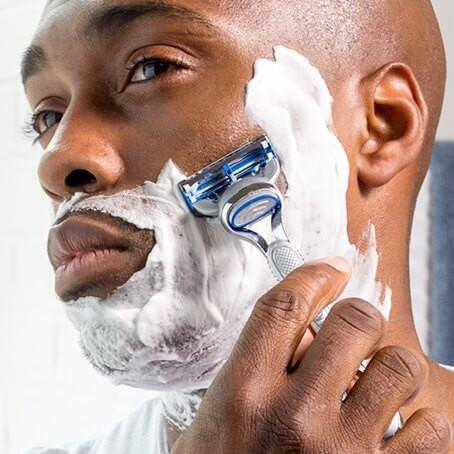
2.Multi-Blade Razors Are Becoming More Skin-Focused
Multi-blade technology remains an important part of the disposable razor industry.
Three-blade and five-blade systems can provide a different shaving experience from traditional single- or twin-blade products.
However, simply adding more blades does not automatically make a razor better for sensitive skin.
Modern manufacturers need to consider the entire shaving system:
Blade sharpness
A sharp, precisely manufactured blade can help reduce unnecessary pulling and tugging.
Blade alignment
Consistent alignment is important for predictable shaving performance.
Blade spacing
The relationship between blades can influence how hair and shaving residue move through the razor head.
Head flexibility
A flexible head can help the razor follow facial or body contours.
Lubrication
Lubricating elements can help reduce friction between the razor and skin.
This broader approach is becoming increasingly important as Sensitive Skin Razors move into the mainstream.
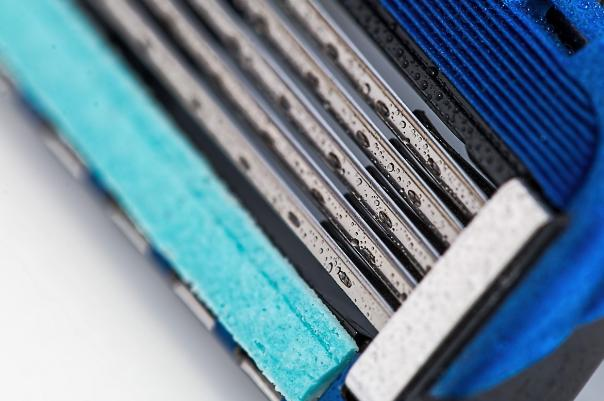
3.Lubricating Strips Are Becoming More Important
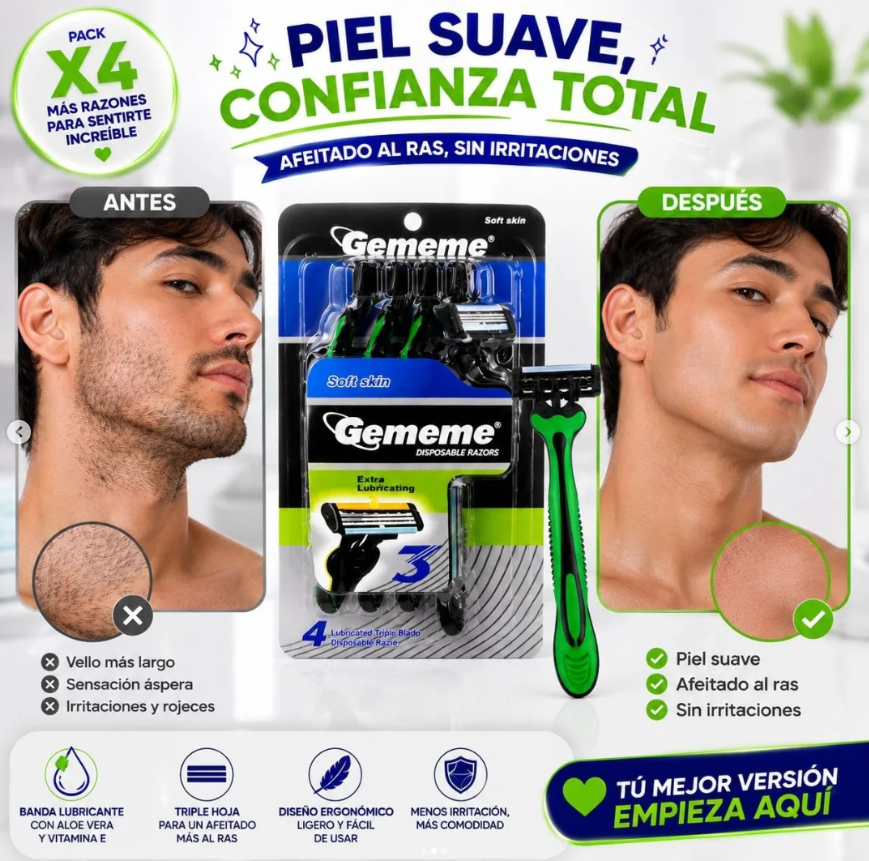
One of the most recognizable features of modern sensitive-skin razors is the lubricating strip.
Depending on the product formulation, lubricating strips may contain ingredients intended to help the razor glide more comfortably over the skin.
For consumers, this creates a simple visual signal:
More lubrication = potentially more comfortable shaving.
For manufacturers, however, the challenge is consistency.
A high-quality lubricating strip needs to:
- Remain stable during storage
- Perform consistently during shaving
- Match the razor’s intended use
- Maintain appropriate product quality throughout its shelf life
This is particularly important for international B2B buyers.
A distributor purchasing thousands of razors needs predictable product performance—not just attractive packaging.
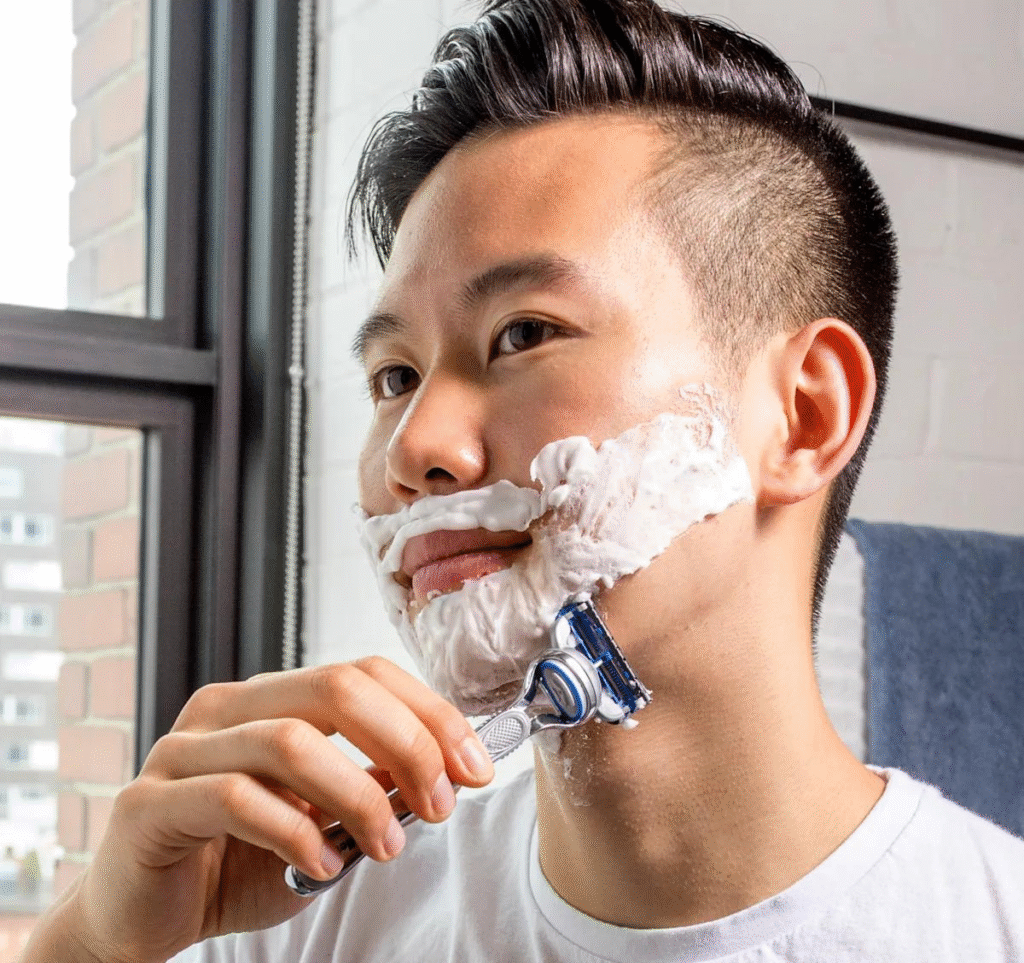
4.Sensitive Skin Is Becoming a B2B Opportunity
The rise of Sensitive Skin Razors is not only a consumer trend.
It is also creating opportunities for B2B buyers.
Potential customers include:
- Supermarket chains
- Pharmacy distributors
- Personal-care wholesalers
- Hotel suppliers
- Travel-kit suppliers
- E-commerce brands
- Private-label companies
- Beauty product distributors
These businesses can position sensitive-skin razors as a higher-value product within their shaving portfolio.
For example, instead of selling only:
Disposable Razors
a distributor can create a broader product assortment:
- Economy Disposable Razors
- Twin-Blade Razors
- 3-Blade Razors
- 5-Blade Razors
- Sensitive Skin Razors
- Travel Razors
- Hotel Razors
- Private Label Razors
This creates more opportunities for market segmentation.
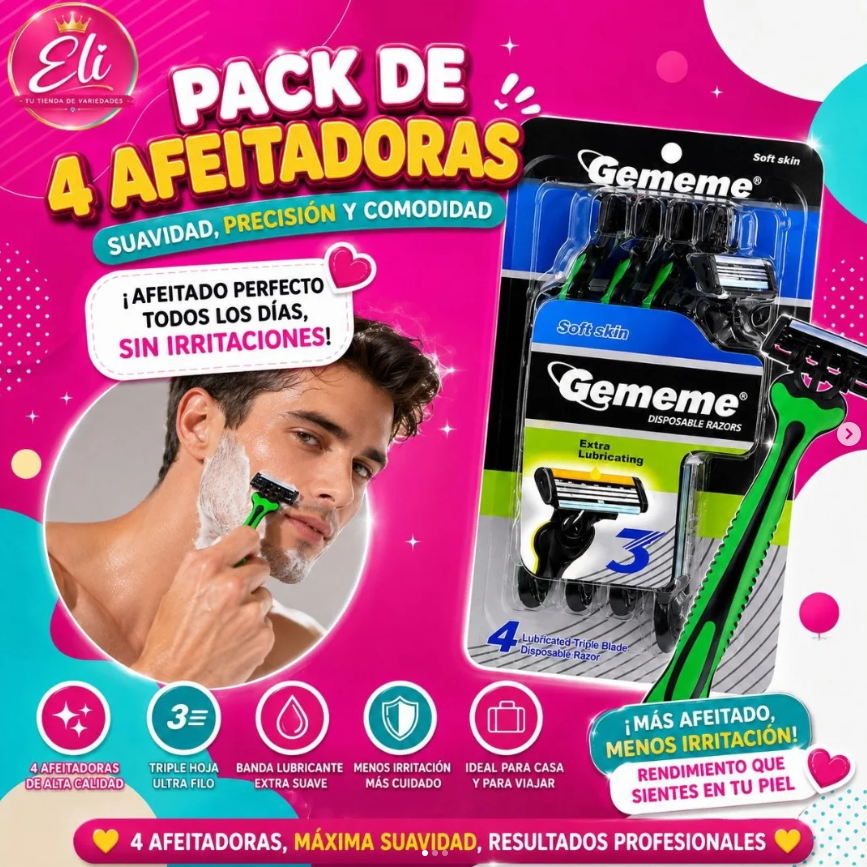
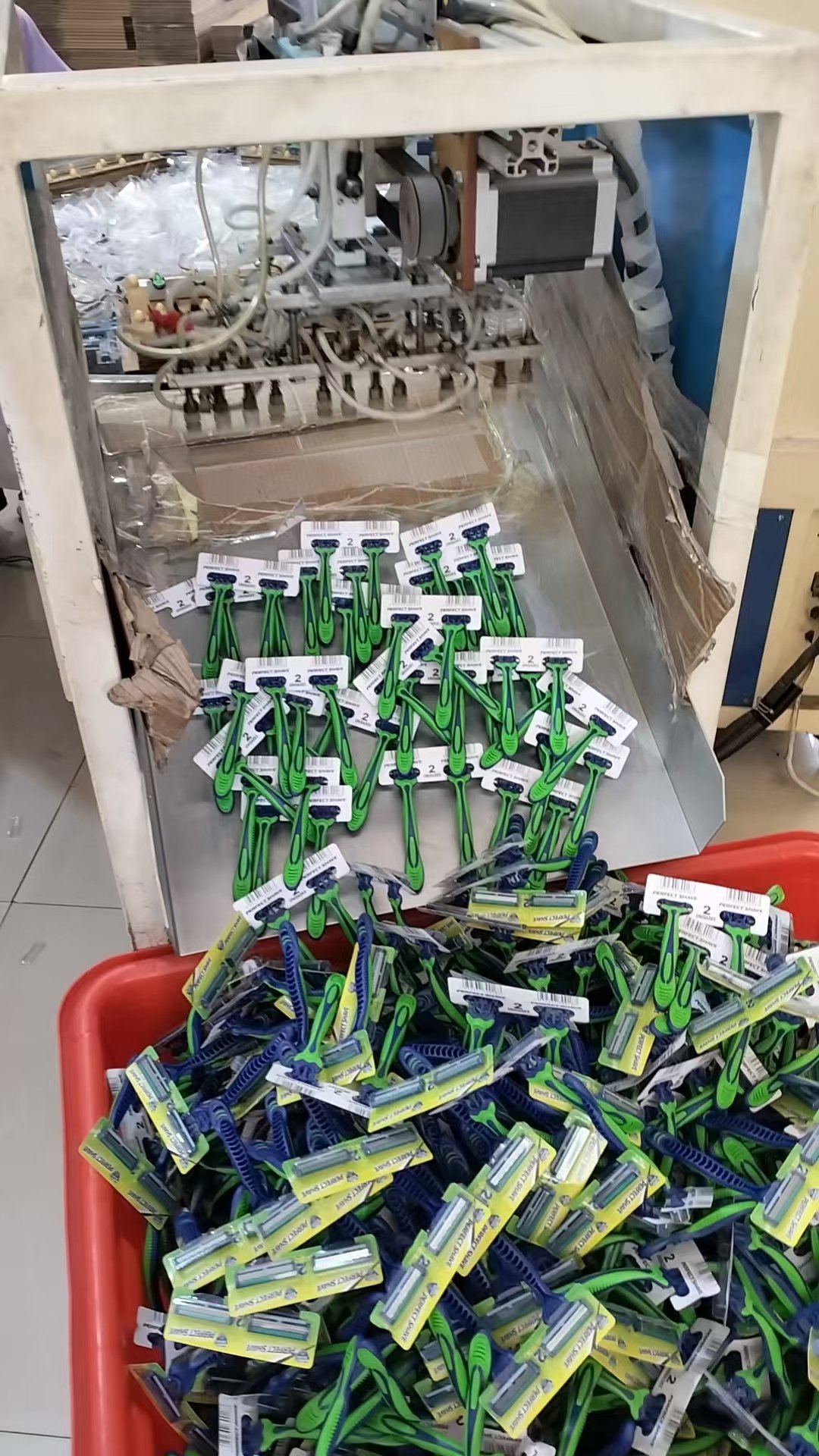
5.Sensitive Skin Razors and Private Label
Private-label shaving products are another important trend in 2026.
Retailers and distributors increasingly want products they can sell under their own brands.
A private-label Sensitive Skin Razor can allow a company to control:
- Brand positioning
- Packaging
- Product assortment
- Retail pricing
- Marketing strategy
For manufacturers, this means OEM capabilities are becoming increasingly important.
A professional razor manufacturer should ideally be able to support:
- Custom packaging
- Custom colors
- Different blade configurations
- Different handle designs
- Product sampling
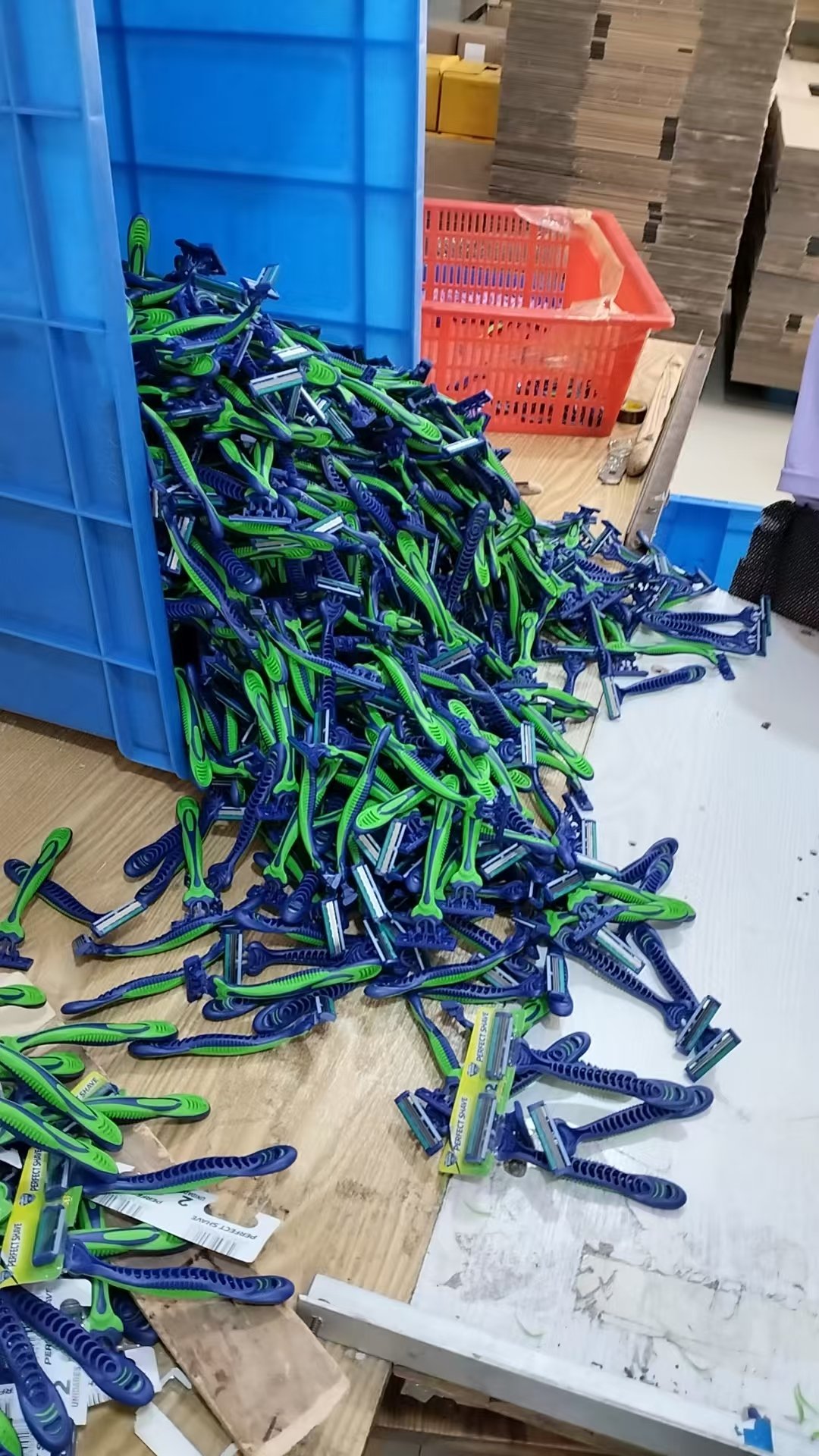
- Bulk production
- Quality inspection
This is particularly attractive for distributors who want to create a dedicated personal-care brand.
6.The Travel Market Creates Another Opportunity
Travel is another strong application for Sensitive Skin Razors.
Travelers generally want shaving products that are:
- Compact
- Lightweight
- Convenient
- Hygienic
- Easy to replace
Recent travel-razor coverage also highlights the importance of compact designs, blade protection and keeping the shaving tool dry during travel.
Disposable razors are particularly suitable for situations where travelers do not want to carry:
- Chargers
- Electric shavers
- Replacement cartridges
- Large grooming devices
This creates an opportunity for manufacturers to develop products specifically for:
Travel + Sensitive Skin
rather than treating these as separate categories.
7.Hotels Are Looking for More Than the Cheapest Razor
The hotel industry has traditionally focused heavily on cost.
However, guest expectations are changing.
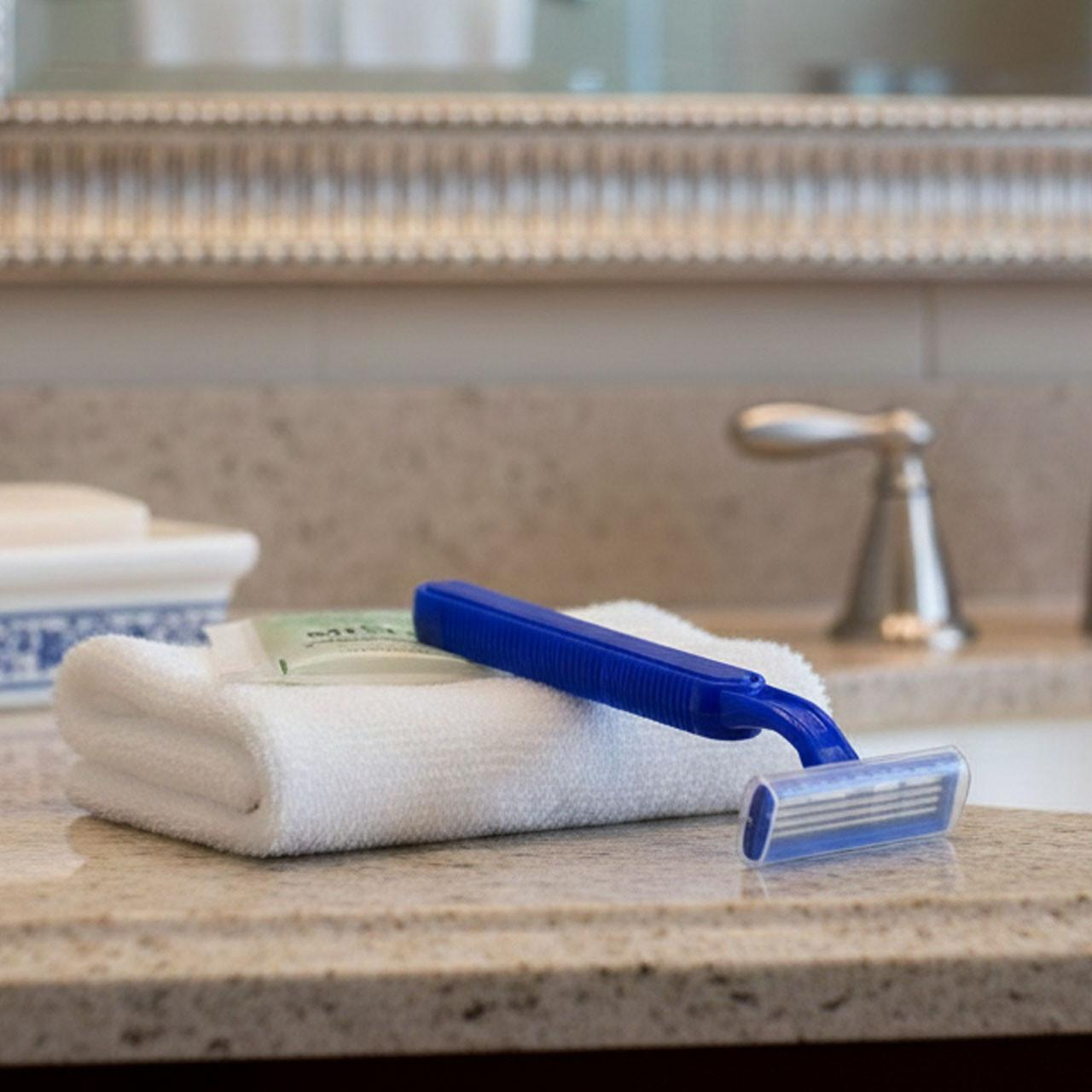
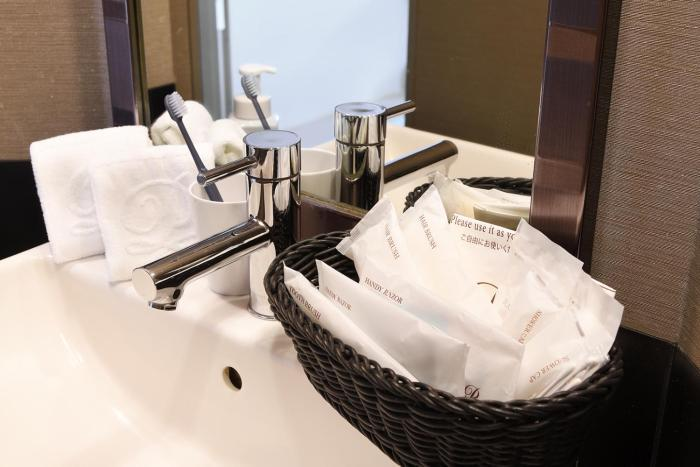
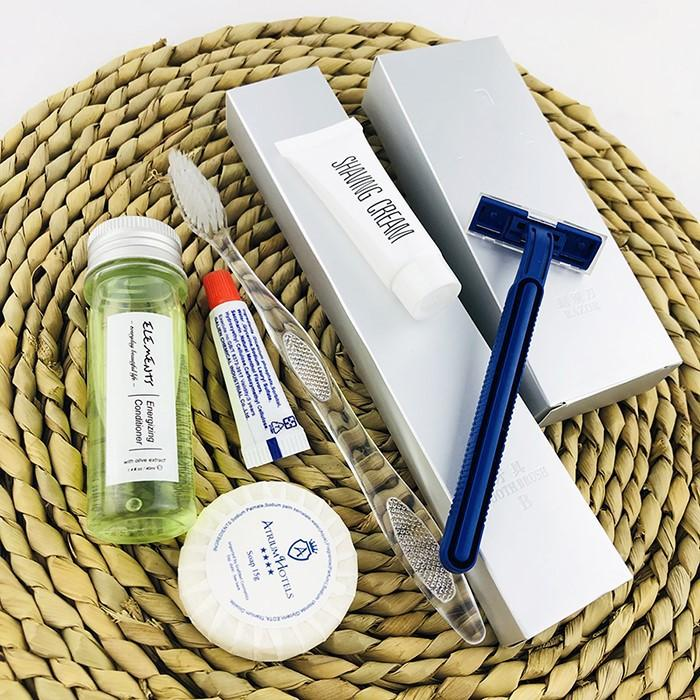
A hotel shaving kit represents part of the overall guest experience.
A basic disposable razor can meet the functional requirement.
But a more comfortable Sensitive Skin Razor can potentially create a better impression.
Hotels and hospitality suppliers may therefore consider:
- Razor quality
- Packaging
- Guest comfort
- Hygiene
- Brand presentation
- Cost per unit
This creates an opportunity for manufacturers to develop hotel-specific shaving kits.
For example:
1 Disposable Sensitive Skin Razor + 1 Shaving Cream Packet + Custom Hotel Packaging
can become a complete hospitality product rather than simply a razor.
8.Medical and Institutional Applications
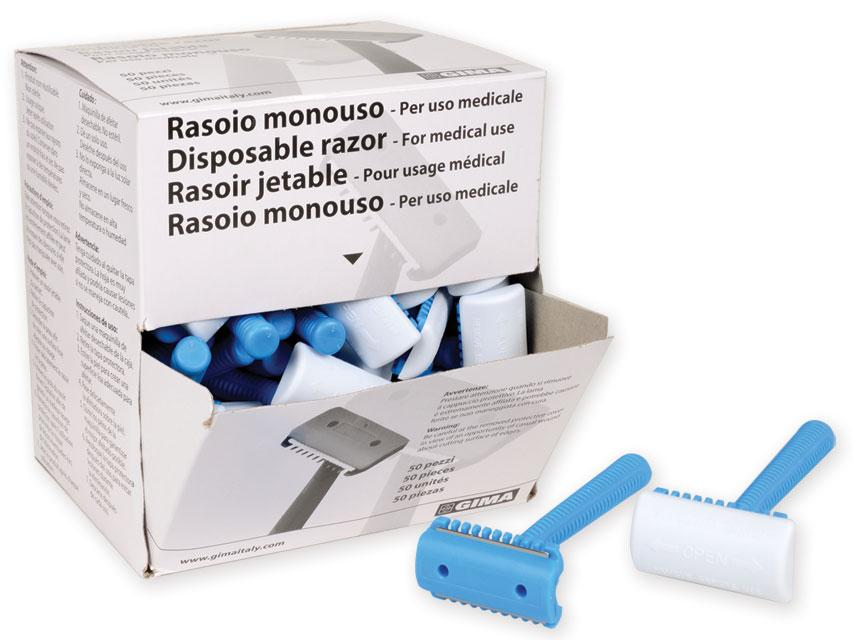
Disposable razors are also used in institutional environments where hygiene and single-use convenience are important.
Potential applications include:
- Hospitals
- Clinics
- Care facilities
- Emergency kits
- Institutional supply programs
However, product suitability depends on the specific application and local requirements.
For institutional buyers, purchasing decisions may focus on:
- Unit cost
- Packaging
- Hygiene
- Supply stability
- Bulk availability
- Product consistency
This is another reason why professional manufacturing capacity matters.
9.Sustainability Is Creating a New Challenge
There is an important contradiction within the disposable razor industry.
Consumers want:
Convenience + affordability + hygiene
but increasingly also want:
Lower environmental impact.
This is pushing manufacturers toward:
- Reduced plastic packaging
- Recyclable packaging
- Recycled materials
- Lower-plastic designs
- More efficient production
Industry research published in 2026 identifies sustainability as one of the major forces reshaping disposable razors, alongside skin comfort and product segmentation.
This does not necessarily mean disposable razors will disappear.
Instead, the category is likely to evolve.
The future may involve different product architectures for different consumers:
Economy
Maximum affordability.
Premium
Enhanced shaving comfort.
Sensitive Skin
Skin-focused design.
Travel
Compact and convenient.
Eco-focused
Reduced material impact.
Private Label
Custom branding and packaging.
10.The Rise of Skin-First Shaving
One of the most important conceptual changes in the industry is the movement from:
Hair removal → Skin-first shaving
This means the razor becomes part of a broader grooming routine.
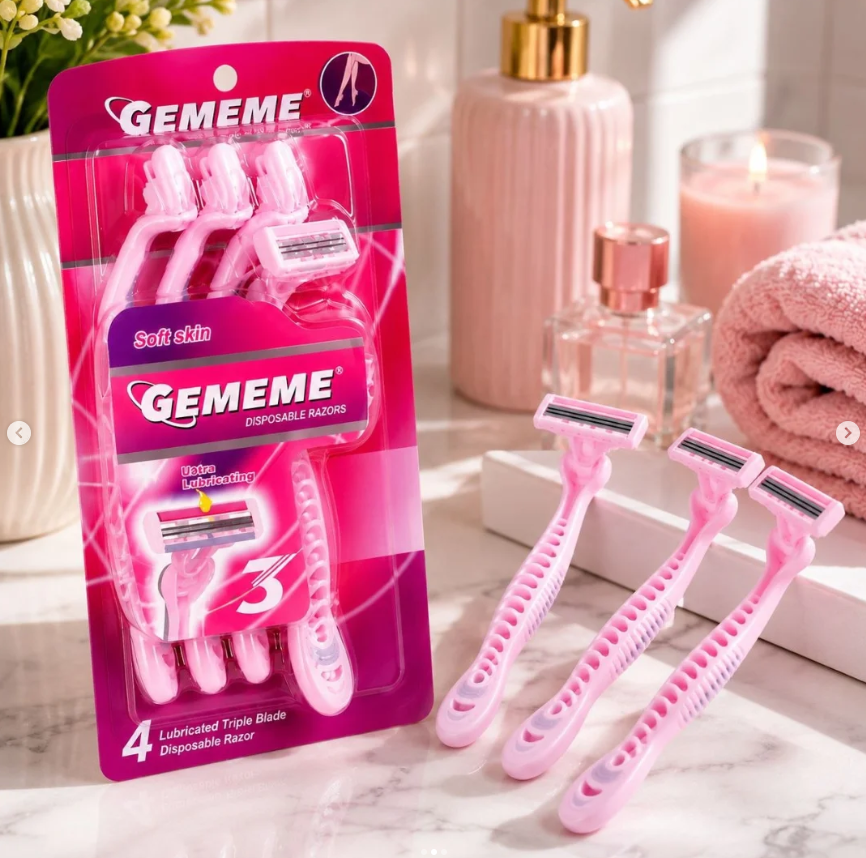
The shaving experience may increasingly involve:
- Preparing the skin
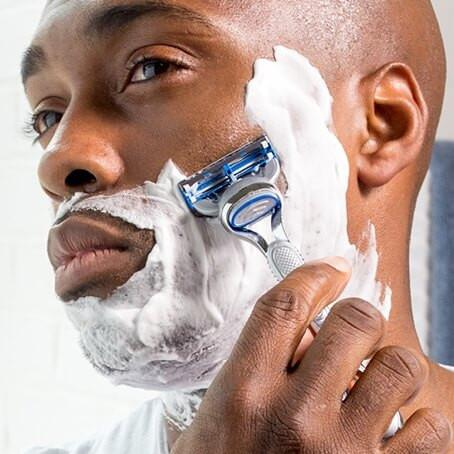
- Applying shaving gel or foam
- Using a skin-focused razor
- Rinsing the skin
- Applying aftercare
This creates opportunities for companies selling complete shaving products, rather than only individual razors.
A manufacturer that offers both disposable razors and shaving foam, for example, can potentially provide a more complete B2B solution.
11.Why Razor Manufacturers Need Better Product Segmentation
The era when one disposable razor was expected to serve every consumer is gradually changing.
Different consumers have different needs.
Young consumers
May prioritize price, design and convenience.
Frequent shavers
May prioritize blade performance and comfort.
Sensitive-skin consumers
May prioritize lubrication and reduced irritation.
Travelers
May prioritize portability.
Hotels
May prioritize cost and hygiene.
Distributors
May prioritize price, MOQ and supply reliability.
Private-label brands
May prioritize customization and packaging.
Therefore, manufacturers should increasingly think in terms of product portfolios, not individual products.
12.Gememe Disposable Razors and the B2B Opportunity
For B2B buyers, product quality is only one part of the purchasing decision.
They also need to consider:
- Factory capacity
- Production consistency
- MOQ
- Packaging customization
- Delivery
- Quality inspection
- OEM support
- Export experience
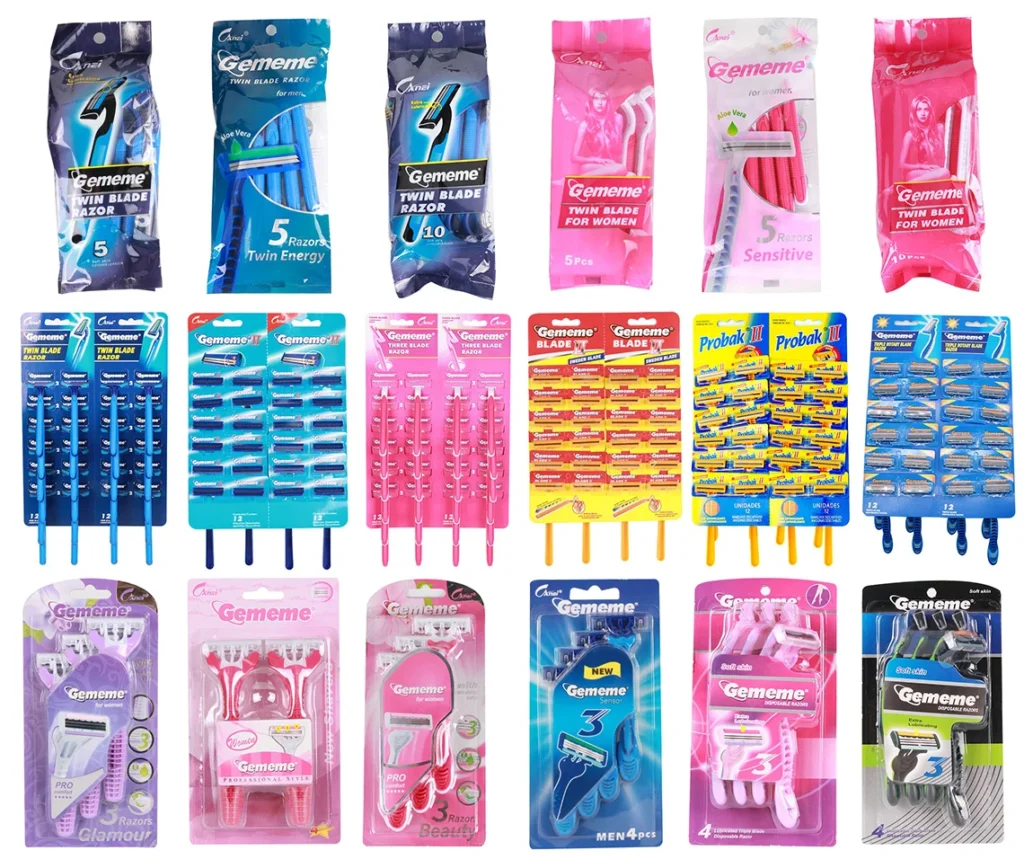
Gememe focuses on disposable razor manufacturing for international markets and offers a range of blade configurations and OEM/ODM options.
For distributors looking to develop their own shaving products, this type of factory-direct model can provide more flexibility than simply purchasing established retail brands.
Gememe products are exported to more than 80 countries, according to the company information provided for its international business.
For B2B customers, the objective is not necessarily to replace every established razor brand.
Instead, the opportunity is to develop products positioned around specific market needs.
One potential direction is:
Gememe Sensitive Skin Disposable Razors
for distributors, hotels, retailers and private-label brands looking for a skin-comfort-oriented shaving product.
13.What Should Buyers Look for When Sourcing Sensitive Skin Razors?
If you are an importer or distributor, price should not be the only consideration.
Before placing a large order, evaluate the following.
Blade Quality
Ask about blade material, manufacturing process and quality-control procedures.
Razor Head Design
Check whether the head is designed for the intended application.
Lubricating Strip
Understand the strip’s materials, formulation and shelf-life performance.
Handle Design
A comfortable grip can influence the overall shaving experience.
Packaging
Packaging should protect the product while communicating its intended positioning.
Sample Testing
Always test samples before mass production.
Production Capacity
Make sure the manufacturer can support your expected volume.
Quality Inspection
Third-party inspection can provide additional confidence before shipment.
OEM Capability
If you are building a private label, confirm whether the supplier can support your packaging and branding requirements.
14.How Sensitive Skin Razors Can Help Distributors Build a Product Portfolio
A distributor does not need to choose only one razor.
A more flexible strategy is to build a portfolio.
For example:
| Product | Target Market |
|---|---|
| Twin-Blade Disposable Razor | Economy |
| 3-Blade Razor | General Shaving |
| 5-Blade Razor | Premium |
| Sensitive Skin Razor | Skin-Conscious Consumers |
| Travel Razor | Travelers |
| Hotel Razor | Hospitality |
| Private Label Razor | Retailers |
| OEM Razor | Distributors |
This approach allows businesses to address different price points and consumer requirements.
15.What Will Sensitive Skin Razors Look Like in the Future?
The next generation of Sensitive Skin Razors will likely focus on several areas.
Better blade precision
Manufacturers will continue improving blade consistency and manufacturing accuracy.
Improved lubrication
Lubricating technologies will remain an important area of product development.
More ergonomic designs
Handles and heads will increasingly be designed around comfort and control.
More application-specific products
Products may be developed specifically for:
- Face
- Body
- Sensitive skin
- Travel
- Hospitality
Better packaging
Packaging will increasingly combine sustainability with premium presentation.
16.Why 2026 Could Be a Turning Point for Disposable Razors
The disposable razor industry is facing multiple changes simultaneously.
Consumers want:
Better comfort.
Retailers want:
Better margins.
Manufacturers want:
Higher efficiency.
Environmental advocates want:
Less waste.
E-commerce platforms want:
Better product differentiation.
These demands are pushing the industry toward a more segmented and sophisticated market.
The result is not necessarily the end of disposable razors.
Instead, it could be the beginning of a new generation of disposable shaving products.
Conclusion: Sensitive Skin Razors Are More Than a Trend
The rise of Sensitive Skin Razors reflects a broader transformation in the global shaving industry.
Consumers are increasingly looking beyond basic hair removal and paying more attention to comfort, skin condition, lubrication and the overall shaving experience.
At the same time, B2B buyers are looking for products that can provide:
- Competitive pricing
- Consistent quality
- Product differentiation
- OEM flexibility
- Stable supply
This creates a significant opportunity for disposable razor manufacturers.
For brands such as Gememe, the future opportunity is not simply producing more disposable razors.
It is producing better-positioned disposable razors for specific consumers and applications.
Sensitive skin, travel, hotels, healthcare, private label and everyday grooming can all become separate product opportunities.
In 2026, the question is no longer simply:
“How close can a disposable razor shave?”
The more important question is:
“How can a disposable razor deliver a comfortable shaving experience while meeting the price, convenience and sustainability expectations of modern consumers?”
That question will help shape the next stage of the global disposable razor industry.
FAQ: Sensitive Skin Razors
What are Sensitive Skin Razors?
Sensitive Skin Razors are shaving products designed with features intended to improve comfort and reduce friction or irritation during shaving.
Are disposable razors suitable for sensitive skin?
They can be, depending on the blade design, lubrication, shaving technique and individual skin characteristics. Consumers with sensitive skin should choose products designed around comfort and follow appropriate shaving practices.
What features should I look for in a sensitive skin razor?
Common features include lubricating strips, well-aligned blades, flexible heads, skin guards and ergonomic handles.
Are more blades always better for sensitive skin?
Not necessarily. Blade count is only one factor. Blade geometry, sharpness, spacing, lubrication and shaving technique also affect the experience.
Are Sensitive Skin Razors a growing market?
Current 2026 industry research points to skin comfort and irritation reduction as important areas of growth and product differentiation within shaving and hair-removal products.
Can Sensitive Skin Razors be sold as private label products?
Yes. Manufacturers offering OEM/ODM services can develop private-label products with customized packaging, branding and product configurations.